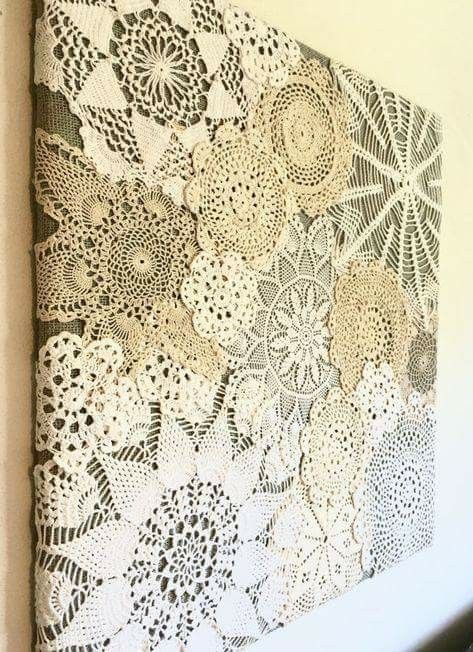
Vintage Floral Crochet Table Runner – Handmade Cottagecore Table Decor
There is something undeniably magical about a handmade crochet table runner draped across a wooden table, its delicate floral motifs catching the afternoon light while a vase of wildflowers sits nearby. In a world that often moves too fast, the quiet art of crochet invites us to slow down, to appreciate texture and craftsmanship, and to bring something genuinely beautiful into our everyday spaces. The vintage floral crochet table runner has become one of the most beloved expressions of cottagecore aesthetics, and for good reason. It carries with it a sense of timelessness, of grandmother’s kitchens and sun-drenched porches, of lace curtains and pressed flower journals. Whether you are decorating your dining room, styling a farmhouse-inspired kitchen, or searching for the perfect handmade gift, this piece of crochet artistry deserves a place at your table.
What Makes a Vintage Floral Crochet Table Runner Special
Not all table runners are created equal. While a standard fabric runner might add color or texture, a handmade crochet table runner brings something that mass-produced items simply cannot replicate: intentionality. Every stitch is placed by a person’s hands. Every loop is made with purpose. The time and care embedded in a hand-crocheted piece make it an heirloom object rather than a disposable decoration.
Vintage floral crochet patterns draw from a rich tradition of needlework that spans centuries. The floral motifs used in these runners often echo the delicate designs found in Victorian and Edwardian lacework, as well as the bold yet charming granny square aesthetics of mid-century American craft culture. When these two sensibilities merge, the result is a table runner that feels both nostalgic and fresh — perfectly at home in a modern cottagecore interior.
The craftsmanship involved in creating a floral crochet table runner is significant. Depending on the pattern and size, a single runner might take anywhere from ten to forty hours to complete. Each flower motif is worked individually, then joined with careful stitching or clever crochet techniques to form the full design. The borders, often featuring picots, shells, or scalloped edges, require additional precision and patience. This level of dedication is woven into every inch of the finished piece.
The Cottagecore Aesthetic and Why It Resonates
Cottagecore is not simply a trend. It is a response to something deeper — a longing for simplicity, for connection to nature, for the kind of domestic beauty that feels earned rather than purchased. It celebrates handmade objects, natural materials, wildflowers, worn wooden furniture, and the gentle rhythms of a slower life. The aesthetic pulls from English countryside cottages, rural European farmhouses, and the pastoral paintings of the Romantic era.
Within this aesthetic, handmade crochet holds a place of particular honor. Crochet is inherently tactile and personal. It cannot be perfectly replicated by a machine in the way that fabric can be woven or printed. Each handmade piece carries slight variations that speak to its handmade nature — a gentle irregularity in tension here, a slightly fuller flower motif there — and these imperfections are not flaws. They are the fingerprints of the maker, and they make the piece infinitely more human than anything a factory can produce.
A vintage floral crochet table runner speaks directly to this longing. It transforms an ordinary dining table into something that feels considered and cared for. It softens hard surfaces with lace-like openwork and brings the organic shapes of flowers and leaves into the indoor space. Paired with candles, a rustic centerpiece, or a collection of mismatched vintage china, it creates a tablescape that feels genuinely lived in and loved.
Choosing the Right Yarn and Thread for a Floral Crochet Table Runner
The material used in a crochet table runner has an enormous impact on its final appearance and longevity. Traditional vintage runners were typically made with fine cotton crochet thread, and this remains the gold standard for the style. Cotton thread produces a crisp, clean stitch definition that shows off floral patterns beautifully. It is also washable, durable, and becomes softer with each washing — meaning your table runner will only improve with use over time.
For a vintage aesthetic, white and ecru are the most classic choices. A white cotton runner evokes the crisp elegance of antique lace, while ecru or natural cotton has a warmer, more rustic quality that suits farmhouse and cottagecore settings particularly well. Some makers choose to work in soft sage green, dusty rose, or pale butter yellow, colors that feel botanical and gentle, perfectly in keeping with the floral theme.
If you prefer a slightly more substantial runner with a softer drape, fine mercerized cotton yarn is an excellent option. Mercerization gives cotton a slight sheen and increased strength, resulting in a runner that looks almost like fine silk while remaining entirely practical. Some artisans blend colors in their floral motifs, using blush petals with cream centers, or layering different shades of green for leaves — and this kind of attention to detail elevates a table runner from a functional item to a piece of art.
Common Stitch Patterns Used in Vintage Floral Crochet Runners
Understanding the stitches that make up these runners helps you appreciate the skill involved. Several classic techniques appear repeatedly in vintage floral crochet designs.
The Irish rose, sometimes called the Irish crochet rose, is one of the most beloved motifs in vintage crochet. It creates a dimensional, layered flower that appears almost three-dimensional, with multiple rings of petals worked in graduated sizes. An Irish rose motif on a table runner instantly communicates luxury and skill.
Granny squares, though often associated with blankets, have a long history in table linen crochet. Floral granny squares typically feature a central flower worked in double crochet clusters, surrounded by rounds of open lacework. Joining these squares in a rectangular arrangement produces a table runner with a beautifully geometric structure that is nonetheless soft and organic.
Filet crochet uses a grid of solid and open squares to create images within the fabric. Vintage filet patterns often depicted roses, ferns, butterflies, or scrolling vines, and a filet crochet table runner with a floral motif has a graphic quality that reads as elegantly vintage. The interplay of solid and open stitches creates a pattern that is striking even from a distance.
The sunflower or daisy motif is another favorite, characterized by long petals radiating from a central cluster. These large, bold flowers work particularly well as central medallions on a table runner, framed by smaller secondary motifs and a lacy border.
Shell stitch and fan stitch borders are commonly used to finish vintage floral runners. These borders ripple along the edges of the runner in gentle waves, adding softness and visual movement that complements the floral interior motifs.
How to Style a Vintage Floral Crochet Table Runner in Your Home
Styling a handmade crochet table runner is one of life’s genuinely pleasant small tasks. The piece is versatile enough to work in many settings, and it tends to enhance whatever surrounds it.
On a dining table, a crochet runner works beautifully down the center of the table, anchoring a collection of candles, seasonal botanicals, or a simple fruit bowl. The length of the runner should ideally allow for a generous overhang on each end — this softens the look and lets the lacy edges be seen properly. A runner paired with mismatched vintage candlesticks and a small vase of dried lavender or garden roses creates an effortlessly romantic table setting.
On a console table or entryway table, a vintage crochet runner brings warmth and texture to what is often a functional but overlooked space. Pair it with a framed botanical print, a ceramic lamp, and a small bowl for keys or mail, and the entryway becomes a welcoming, curated space.
In a kitchen, a shorter crochet runner can dress up an island or a breakfast table. Layer it over a plain linen tablecloth for added depth, or use it alone on a painted wooden table. This works especially well in kitchens with open shelving, hanging herbs, and the kind of lived-in warmth that defines cottagecore kitchen style.
Crochet table runners also make lovely shelf dressers. Arranged along the front edge of a bookshelf or kitchen shelf, they add a decorative border that softens the hard lines of shelving units while showcasing the lacy detail of the work.
Caring for Your Handmade Crochet Table Runner
A well-made crochet table runner, properly cared for, can last for generations. Cotton crochet thread is remarkably durable, and vintage runners from fifty or even a hundred years ago can still be found in beautiful condition at estate sales and antique markets.
Hand washing is the safest method for cleaning a fine crochet runner. Use cool or lukewarm water with a gentle detergent, and handle the piece with care — never wring or twist the fabric, as this can distort the stitches. Instead, gently squeeze excess water out and roll the runner in a clean towel to absorb moisture. Lay it flat to dry on a clean surface, reshaping the borders and motifs by hand while the piece is still damp.
For best results, pin the runner to a foam blocking board while drying. This process, known as blocking, allows you to stretch and shape the piece to its precise dimensions, opening up the lacework and giving the finished runner that crisp, professional appearance that makes handmade crochet look so refined.
If your runner is made from white or ecru cotton, gentle sunlight can help brighten the fibers naturally over time. Some antique crochet enthusiasts prefer the slightly aged patina that cotton acquires, finding it more in keeping with the vintage aesthetic. Others prefer to maintain the brightness of the thread with occasional careful hand washing.
Store your crochet runner rolled rather than folded to prevent crease lines from forming at fold points. Roll it around an acid-free tube if possible, or simply roll it loosely and store it in a clean cotton bag away from direct light and moisture.
Vintage Floral Crochet Table Runners as Gifts
There are few gifts as meaningful as something handmade. A vintage floral crochet table runner represents hours of skilled work and genuine thoughtfulness. It is the kind of gift that people keep for decades, that migrates from the dining table to the hope chest and back again, that accumulates stories and associations over time.
For weddings, a handmade crochet runner makes an extraordinary gift, particularly for couples who are decorating in a rustic, farmhouse, or cottagecore style. Many artisans will customize the runner’s dimensions or colors to match the recipient’s home décor, making it an even more personal offering. For housewarmings, anniversaries, birthdays, or holidays, a crochet table runner communicates care and artistry in a way that a shop-bought present simply cannot.
If you are commissioning or purchasing a vintage floral crochet table runner from a maker, take the time to learn something about their process. Many crochet artisans have honed their skills over years or decades, learning from family members, textile arts classes, or the vast community of craft knowledge that has been passed down and shared across generations. Understanding the story behind the piece makes it even more meaningful as a gift.
Supporting Handmade Artisans and the Slow Craft Movement
Purchasing a handmade crochet table runner is not just an aesthetic choice — it is a values-based decision. When you buy from an independent crochet artisan on a marketplace like Etsy or at a local craft fair, you are supporting a person’s livelihood and their dedication to a craft that takes real time and skill. You are choosing an object with a known origin story over an anonymous mass-produced item.
The slow craft movement, closely aligned with the cottagecore aesthetic, encourages us to think about what we bring into our homes and why. It asks us to prefer the handmade over the mass-produced, the durable over the disposable, the beautiful over the merely convenient. A vintage floral crochet table runner embodies these values completely.
It is also worth noting that buying handmade supports the continuation of traditional craft skills. Crochet, knitting, embroidery, and other fiber arts are living traditions, but they are traditions that require practitioners to keep them alive. When artisans can earn a sustainable income from their craft, those skills are preserved and passed on.
Why a Vintage Floral Crochet Table Runner Belongs on Your Table
At the end of the day, a vintage floral crochet table runner is more than a piece of table décor. It is a daily reminder to appreciate beauty in small, ordinary things. It is evidence that someone spent hours creating something lovely for the specific purpose of making a space more welcoming. It brings the language of flowers — that ancient, romantic vocabulary of petals and leaves — into the everyday ritual of sitting down for a meal.
There is real joy in running your fingers along the raised petals of a crocheted rose, in noticing the way a scalloped lace border catches candlelight, in knowing that this exact piece of handwork exists nowhere else in the world. These small pleasures add up. They shape the quality of our daily experience in ways that are difficult to quantify but deeply felt.
If you have been considering adding a handmade crochet table runner to your home, let this be the gentle encouragement you needed. Look for artisans whose work resonates with you, pay them what their skill and time are worth, and bring a piece of slow, considered, genuinely beautiful craft into your everyday life. You will find that it fits there perfectly — as if it had always belonged.