Netta Scarf Pattern in Russian: A Complete Guide to This Beautiful Knitted Accessory
If you have ever fallen in love with intricate, delicate knitwear that looks like it belongs in a fairy tale, chances are you have already encountered the Netta Scarf pattern. Originally designed with a lace-forward aesthetic that draws from traditional European knitting traditions, the Netta Scarf has become a beloved project for knitters of all skill levels around the world. And now, with growing interest from the Russian-speaking knitting community, this pattern has found a devoted new audience who appreciates its elegance, its wearability, and its rewarding construction process.
In this guide, we are going to walk through everything you need to know about the Netta Scarf pattern in Russian — from understanding the original design and its characteristics, to navigating Russian knitting terminology, finding the best yarn options, and tips for completing your project successfully. Whether you are a native Russian speaker looking for the pattern in your language, or an English speaker curious about how Russian knitting culture embraces patterns like Netta, you will find something valuable here.
What Is the Netta Scarf?
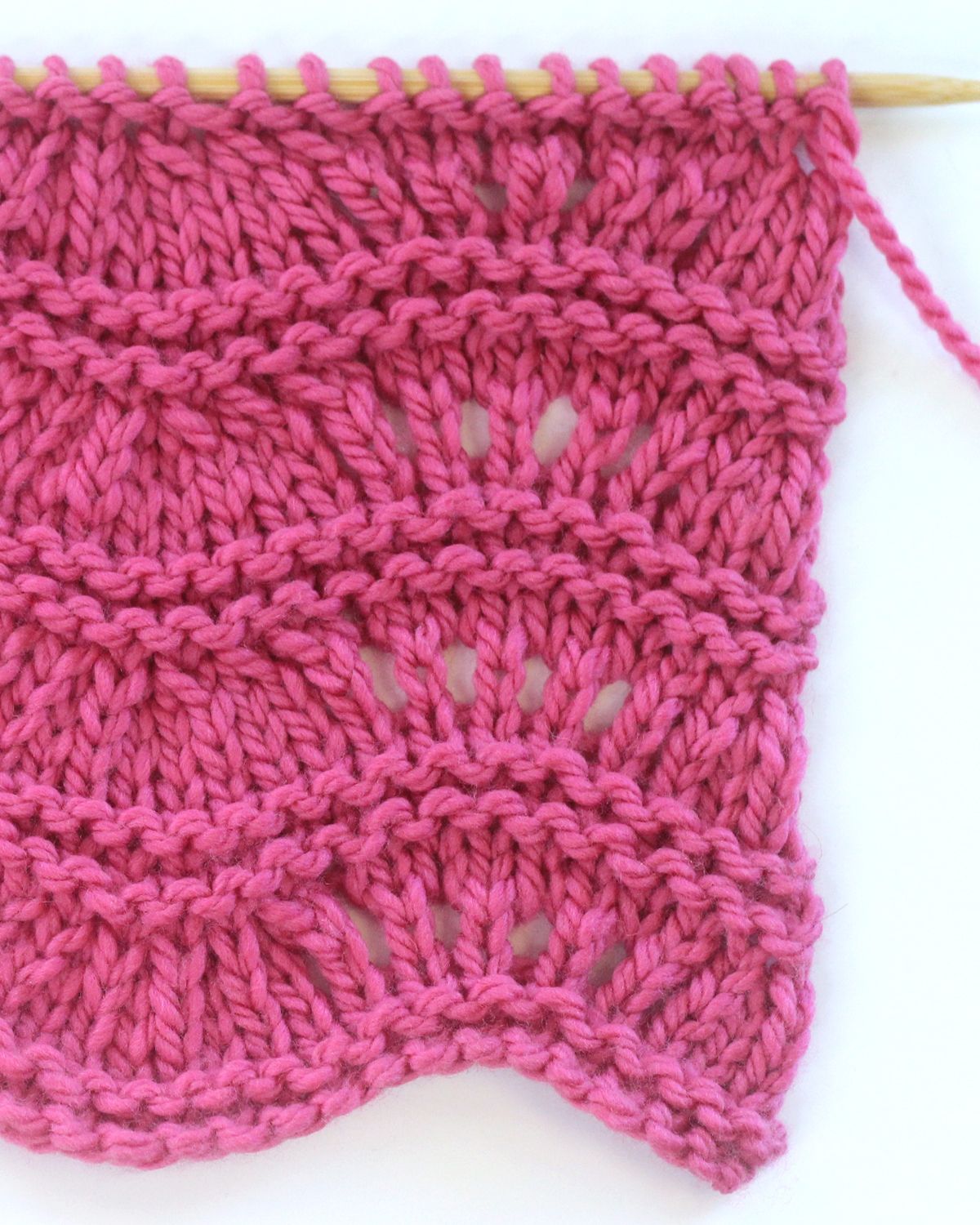
The Netta Scarf is a hand-knitted lace scarf pattern known for its graceful drape, open lacework, and elongated silhouette. The name “Netta” evokes something timeless and feminine, and the design lives up to that impression. It is typically constructed as a long rectangular or slightly tapered scarf with repeating lace motifs that create a flowing, almost gossamer effect when knitted in the right yarn.
What makes the Netta Scarf stand out from other lace scarves is its balance between simplicity and visual impact. The lace repeats are not overly complicated, making it accessible to knitters who have mastered the basics of yarn-overs, knit-two-together decreases, and simple pattern reading. Yet the finished object looks far more complex than the effort required, which is one of the most satisfying feelings in all of knitting.
The pattern is typically worked flat, meaning you knit back and forth in rows rather than in the round, which makes it beginner-friendly in that respect. Most versions of the pattern require only basic lace techniques, and many knitters report completing their first Netta in under two weeks of casual evening knitting.
Why the Netta Scarf Pattern Is Popular in Russia
Russia has one of the richest hand-knitting traditions in the world. From the legendary Orenburg lace shawls — so delicate they can be pulled through a wedding ring — to the bold geometric colorwork of Scandinavian-influenced garments made in Siberian workshops, Russian knitters bring an extraordinary level of skill and artistry to their craft.
It is no surprise, then, that the Netta Scarf has resonated deeply with Russian-speaking knitters. The pattern’s lace-forward design echoes the fine lacework that Russian knitters have practiced for generations. Platforms like Ravelry host dozens of Russian-speaking knitters who have shared their completed Netta Scarves, often accompanied by detailed notes in Russian about yarn substitutions, gauge adjustments, and personal modifications.
Additionally, the Russian knitting community is wonderfully collaborative online. Websites such as Вяжем вместе (Let’s Knit Together), LitRes for craft books, and various Telegram groups and VKontakte communities dedicated to knitting regularly translate and adapt patterns from English into Russian. This means that patterns like Netta, which may have originated in English-language design spaces, quickly become accessible to a vast community of Russian-speaking crafters who might otherwise be unable to enjoy them.
Understanding Russian Knitting Terminology
If you are working from a Russian-language version of the Netta Scarf pattern, or if you are helping a Russian-speaking friend navigate the pattern, it helps enormously to understand the key terminology. Russian knitting abbreviations and terms differ meaningfully from English ones, and even the way stitches are mounted on the needle can differ — Russian knitters traditionally knit through the back loop as their default, which produces a twisted stitch by English-language standards.
Here are some of the most important terms you will encounter in a Russian knitting pattern:
Лицевая петля (litsevaya petlya) means a knit stitch. In Russian patterns, this is almost always knitted through the back loop unless otherwise specified.
Изнаночная петля (iznаnochnaya petlya) means a purl stitch.
Накид (nakid) means a yarn-over, which is one of the fundamental building blocks of lace knitting. You will see this abbreviation constantly in the Netta Scarf pattern.
Убавка (ubavka) refers to a decrease. In lace patterns, you will encounter specific types such as две петли вместе лицевой (dve petli vmeste litsevoy), which means knit two together (k2tog), and протяжка (protyazhka), which refers to a slip-slip-knit (SSK) or similar left-leaning decrease.
Кромочная петля (kromochnaya petlya) is the selvedge stitch, the edge stitch worked at the beginning and end of every row to create a neat, finished edge.
Повторить (povtorit) means repeat, and you will see this in instructions like “повторить 6 раз” — repeat 6 times.
Петли набрать (petli nabrat) means to cast on stitches. The Russian long-tail cast on, called набор петель через большой палец (nagor petely cherez bolshoy palets), is one of the most common methods used.
Understanding these terms will make it dramatically easier to follow a Russian-language version of the Netta Scarf pattern, and will also help you communicate with Russian-speaking knitters if you are seeking help in online forums.
Yarn Choices for the Netta Scarf
Choosing the right yarn is one of the most important decisions you will make for this project, and it is an area where Russian knitters have developed strong, well-reasoned opinions based on decades of experience with fine fiber work.
The Netta Scarf is best knitted in a lightweight yarn that allows the lace to open up and breathe. Here are the most popular choices within the Russian knitting community and beyond.
Laceweight or fingering weight yarn is the most natural choice. The open lacework of the Netta pattern only truly reveals its beauty when the yarn is fine enough to drape freely. A tightly spun laceweight in merino wool or a merino-silk blend will give you both beautiful drape and a slight sheen that catches the light.
Merino wool is beloved by knitters everywhere, and Russian knitters are no exception. Its softness against the skin makes it ideal for a scarf, and it blocks beautifully — a critical consideration for lace knitting. When you wet block a finished lace scarf, the fibers relax and the pattern opens up into its full glory.
Silk blends add a luminous quality to the finished fabric. A yarn that is 70% merino and 30% silk is an excellent choice for the Netta Scarf and is widely available in Russian yarn shops both online and in physical stores in Moscow, Saint Petersburg, and other major cities.
Mohair has experienced a massive resurgence in popularity among Russian knitters over the past decade. Knitting the Netta Scarf in a kid mohair and silk blend, held at a very light tension, produces a halo effect that makes the lace look almost cloud-like. Many Russian knitters on VKontakte have shared stunning Netta Scarves knitted in this style.
Cotton and linen blends are less traditional for this pattern but are gaining popularity as warm-weather alternatives. A linen-cotton scarf in a neutral or earthy tone is a lovely choice for spring and summer wear.
If you are shopping for yarn at Russian yarn stores online, some well-regarded options include Drops Design yarns (widely available in Russia), Malabrigo for imported luxury fiber, and various artisan hand-dyed yarns from independent Russian dyers who sell through platforms like Etsy or VKontakte markets.
Needles and Gauge
The Netta Scarf is typically worked on needles ranging from 3.5mm to 5mm, depending on your yarn weight and personal knitting tension. Most laceweight patterns call for needles in the 3.5mm to 4mm range, while fingering weight yarn pairs well with 4mm to 4.5mm needles.
Russian knitters tend to be meticulous about gauge swatching, and this is a habit worth adopting for any lace project. Because the Netta Scarf’s beauty depends on the lace pattern opening correctly, your gauge will have a significant impact on the finished dimensions and the overall look of the piece.
Knit a gauge swatch of at least 10 centimeters by 10 centimeters in the lace pattern, then wet block it and let it dry completely before measuring. If your gauge is tighter than the pattern specifies, go up a needle size. If it is looser, go down a needle size.
Circular needles are preferred by many knitters even for flat projects like the Netta Scarf, because the cable allows you to push stitches back and forth easily without worrying about them falling off the tips. This is especially true if your scarf is long and accumulates many stitches.
Step-by-Step Overview of the Netta Scarf Construction
While the full pattern with row-by-row instructions is available through the official pattern source (typically Ravelry or the designer’s website), it is helpful to understand the general structure of the Netta Scarf before you begin.
The pattern typically starts with a simple cast-on of a set number of stitches — often in the range of 30 to 50 stitches depending on the desired width. The first few rows establish the border or foundation before the main lace repeat begins.
The body of the scarf is worked in a repeating lace motif. This motif typically spans a set number of rows — often 8 or 12 — and creates the characteristic flowing, open texture of the finished piece. You repeat this section until the scarf reaches your desired length, which for most people falls somewhere between 150 centimeters and 200 centimeters.
The finishing rows mirror the beginning, creating a symmetrical look at both ends of the scarf. The pattern then concludes with a bind-off, for which many lace knitters prefer a stretchy method such as the yarn-over bind-off or the Russian bind-off (also called the grafted bind-off in some English-language resources), which produces a beautifully flexible edge that matches the elasticity of the lace fabric.
Blocking Your Netta Scarf
No lace project is truly complete until it has been blocked, and Russian knitters understand this instinctively. Blocking is the process of wetting your finished knitting, gently stretching it to its finished dimensions, pinning it in place on a blocking board or foam mat, and allowing it to dry completely.
For the Netta Scarf, blocking is absolutely transformational. A knitted-off-the-needle lace scarf often looks lumpy, contracted, and confusing — and then after blocking it becomes a breathtaking, evenly open lacework piece that looks nothing like it did before.
To block your Netta Scarf, fill a basin with cool or lukewarm water and a small amount of wool wash or gentle soap. Submerge the scarf fully and allow it to soak for 20 to 30 minutes. Do not agitate it, especially if you are working with wool, as this risks felting. Gently squeeze out the water (never wring), roll it in a towel to remove excess moisture, then unroll and lay it on your blocking surface.
Using blocking pins or blocking wires — the latter being especially useful for long scarves — stretch the piece to its full dimensions and pin it in place. Allow it to dry completely, which may take anywhere from 12 to 24 hours depending on your climate. When you unpin it, you will have a finished scarf that looks and feels luxurious.
Customizing the Netta Scarf Pattern
One of the great pleasures of working with a pattern like Netta is that it invites personalization. Russian knitters are especially creative in this respect, often modifying patterns to suit their personal aesthetic or to accommodate the yarns they have on hand.
Some popular customizations include adding a picot bind-off for a delicate serrated edge, working additional rows of the lace repeat to create a longer, more dramatic scarf, or using a variegated or hand-dyed yarn that adds color interest without disrupting the lace pattern. Some knitters also add a matching fringe by cutting lengths of yarn and looping them through the cast-on and bind-off edges.
You can also adjust the width of the scarf by adding or removing full repeats of the lace pattern, keeping in mind that lace patterns typically require the stitch count to be a specific multiple in order to work out correctly. Check your pattern for the repeat number and do your math accordingly before casting on.
Caring for Your Finished Netta Scarf
Once you have put hours of love into your Netta Scarf, you will want to care for it properly to ensure it lasts for years. Most natural fiber scarves, especially those knitted in wool or silk blends, benefit from hand washing in cool water with a wool-safe detergent.
Lay the scarf flat to dry rather than hanging it, which can cause the weight of the wet fiber to stretch it out of shape. Store it folded rather than hung in your wardrobe, and if you are storing it for the season, a cedar block or lavender sachet nearby will help keep moths at bay — a practical concern that Russian grandmothers have been advising for generations, and one that absolutely holds up.
Where to Find the Netta Scarf Pattern in Russian
If you are searching for the Netta Scarf pattern in Russian, the best places to look include Ravelry, where many pattern pages include notes and discussions in multiple languages, and Russian knitting communities on VKontakte, Telegram, and Yandex.Q. Some Russian craft bloggers and YouTubers have also created video tutorials and schematic adaptations of the pattern in Russian, which can be tremendously helpful if you are a visual learner.
Translation tools like DeepL or Yandex Translate can help bridge any remaining gaps, and they have improved dramatically in their ability to handle the specific vocabulary of craft patterns. That said, nothing replaces the expertise of an experienced knitter who can read the pattern in both languages and explain the nuances.
Final Thoughts
The Netta Scarf pattern in Russian represents something beautiful about the global knitting community: the way that a single design, born from one knitting tradition, can travel across languages and cultures and find a passionate new audience. Russian knitters bring a richness of technical knowledge, aesthetic sensibility, and communal spirit to projects like this one, and the result is a piece of handcraft that transcends its origins.
Whether you are embarking on your first lace project, returning to knitting after a long break, or looking to add a challenging and rewarding piece to your repertoire, the Netta Scarf is a worthy project. Pick up your needles, choose a yarn you love, and enjoy every row.